
Your Cart
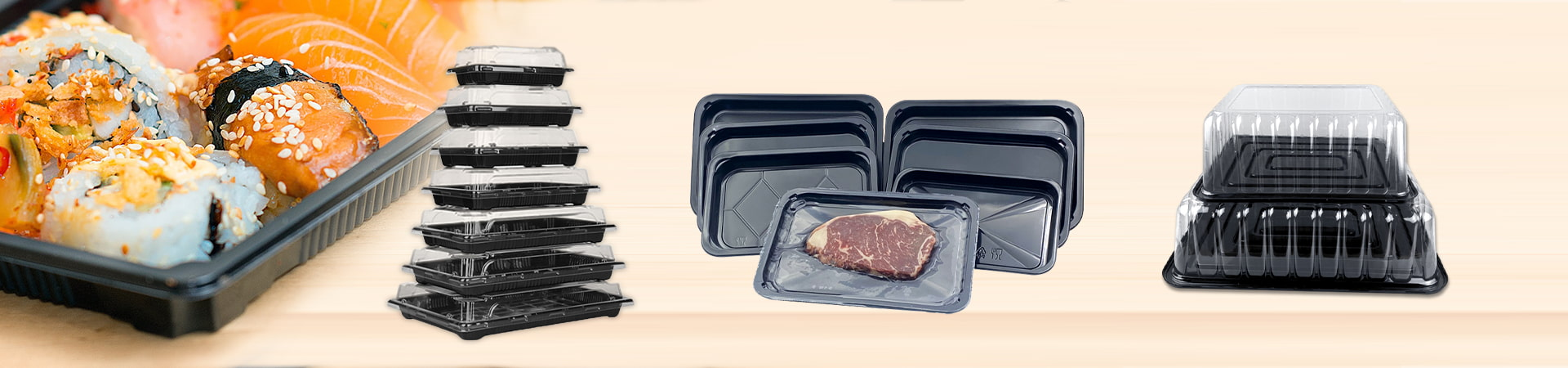
VSP Tray vs MAP Tray: Key Differences & How to Choose the Right Food Packaging Tray
VSP Tray vs MAP Tray: Key Differences & How to Choose the Right Food Packaging Tray
If you source rigid plastic trays for chilled proteins, seafood, cheese or ready meals, you will frequently encounter two mainstream packaging solutions: VSP trays (Vacuum Skin Packaging Trays) and MAP trays (Modified Atmosphere Packaging Trays). While both are food-safe rigid base trays designed to extend shelf life, they operate on totally different packaging mechanisms and serve different retail and distribution goals. This guide breaks down their differences, pros & cons and ideal use cases to help you make the right purchasing decision.
What is a VSP Tray?
VSP stands for Vacuum Skin Packaging. A VSP tray is a high-barrier rigid tray, normally made of PP or PET, engineered to work with heat-activated skin film.
During packaging, the skin film is heated soft, air inside is fully evacuated by vacuum, then the film tightly conforms to every contour of the food product and seals onto the tray rim. The film acts like a second skin, locking the product firmly in place with zero headspace inside the pack.
Main advantages of VSP trays
- Premium 3D retail presentation, fully showcases meat marbling, seafood texture
- Minimal product shifting, low leakage risk during transport
- Excellent oxygen removal, longer shelf life for premium chilled proteins
- Less film waste compared with traditional lidding film
- Great freezer-ready performance
Limitations
- Higher packaging machine & film cost
- Not ideal for products that need bright red retail color for beef (low oxygen environment turns meat purple)
- Slower packaging line speed than MAP
What is a MAP Tray?
MAP means Modified Atmosphere Packaging. A MAP tray is a rigid high-barrier tray sealed with flat lidding film. Instead of pulling out all air, the packaging machine flushes out regular air and replaces it with a custom mixed food-grade gas blend (usually CO₂, N₂ and controlled O₂) before heat sealing, leaving controlled headspace above the product.
Gas formula is customized by food type: high oxygen mix for red meat to keep bright cherry-red color; high CO₂ for poultry, seafood and ready meals to suppress bacteria growth; nitrogen as filler gas to prevent pack collapse.
Main advantages of MAP trays
- Preserves the attractive bright red color of fresh beef for retail sale
- Fast cycle speed, high output for mass production
- More economical for large-volume supermarket supply
- Flexible gas recipes for fruits, vegetables, cooked food, sliced cheese
- Mature, widely available packaging equipment